
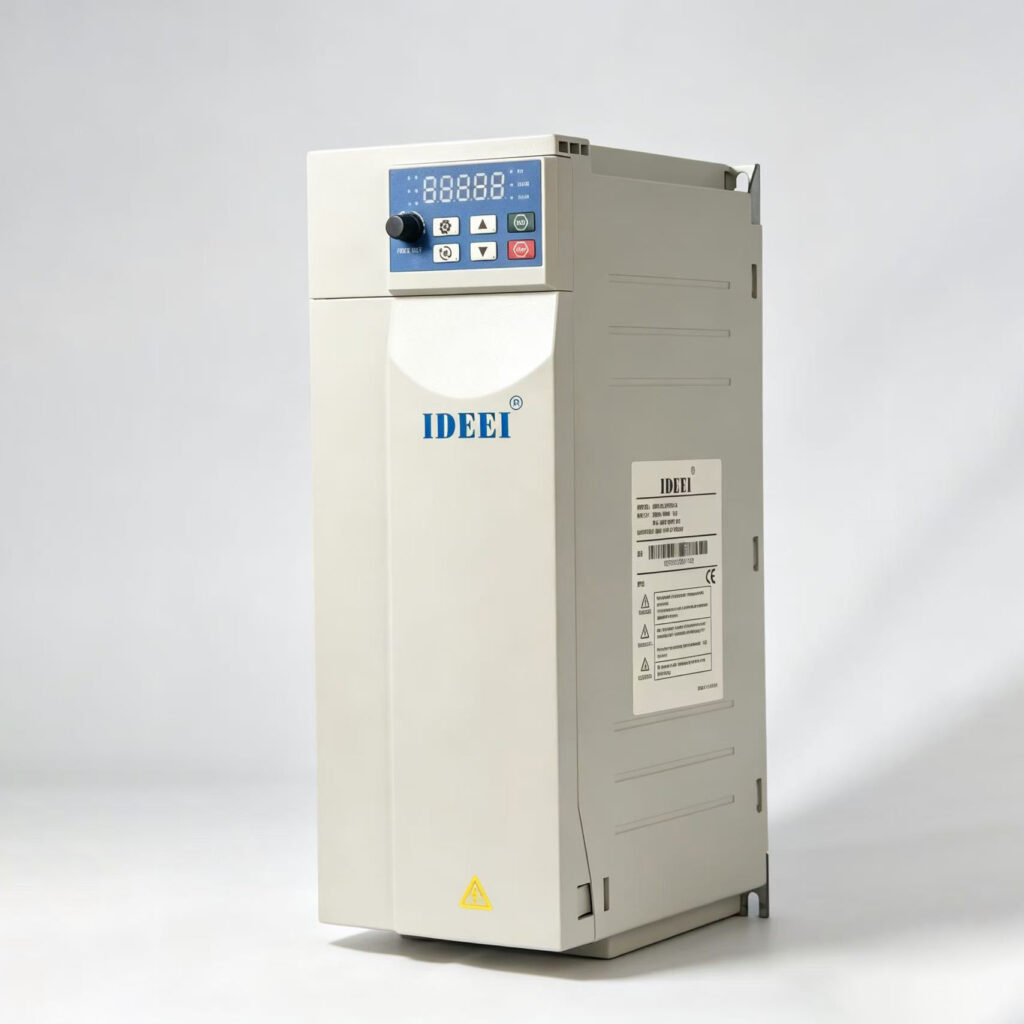
What can you monitor over RS485?
An inverter that supports Modbus RTU over RS485 can report the data points exposed by its exact model and firmware. Ask for running status, output frequency, motor current and active alarms first. Add PV voltage or water-level input only when the supplier confirms that the values are available. If the project needs measured water volume, specify a flow meter and a way to log it.
What belongs in the quote request?
Give the supplier the number of pumps, drive model and firmware if known, controller or gateway model, cable route and the values you need to log. Request the register map with address convention, read function, scaling, units and data format, plus serial settings and the required bus wiring. Confirm which gateway, enclosure or data service is quoted separately.
How do you verify the readings at handover?
With qualified personnel, start with read-only polling of one drive. Compare displayed frequency and current with the drive keypad, record a stopped and a running sample, and verify how the dashboard distinguishes an offline drive from one that is stopped. Establish who receives the alarm and which pump protections operate locally when the network is down.
Do I need Wi-Fi?
A local controller can poll over RS485. A remote dashboard may need a compatible gateway and a separate network connection. Ask what happens to stored readings and alarms during a network outage.
Further reading
Solar pump model and application guide · Solar pumping guide · Technical reference
How the drive and alarms fit the pump project
Before requesting a register map, document the pump and inverter model and the alarms the site needs to see. The sizing and fault guides cover the information to share with the supplier and the site team.