
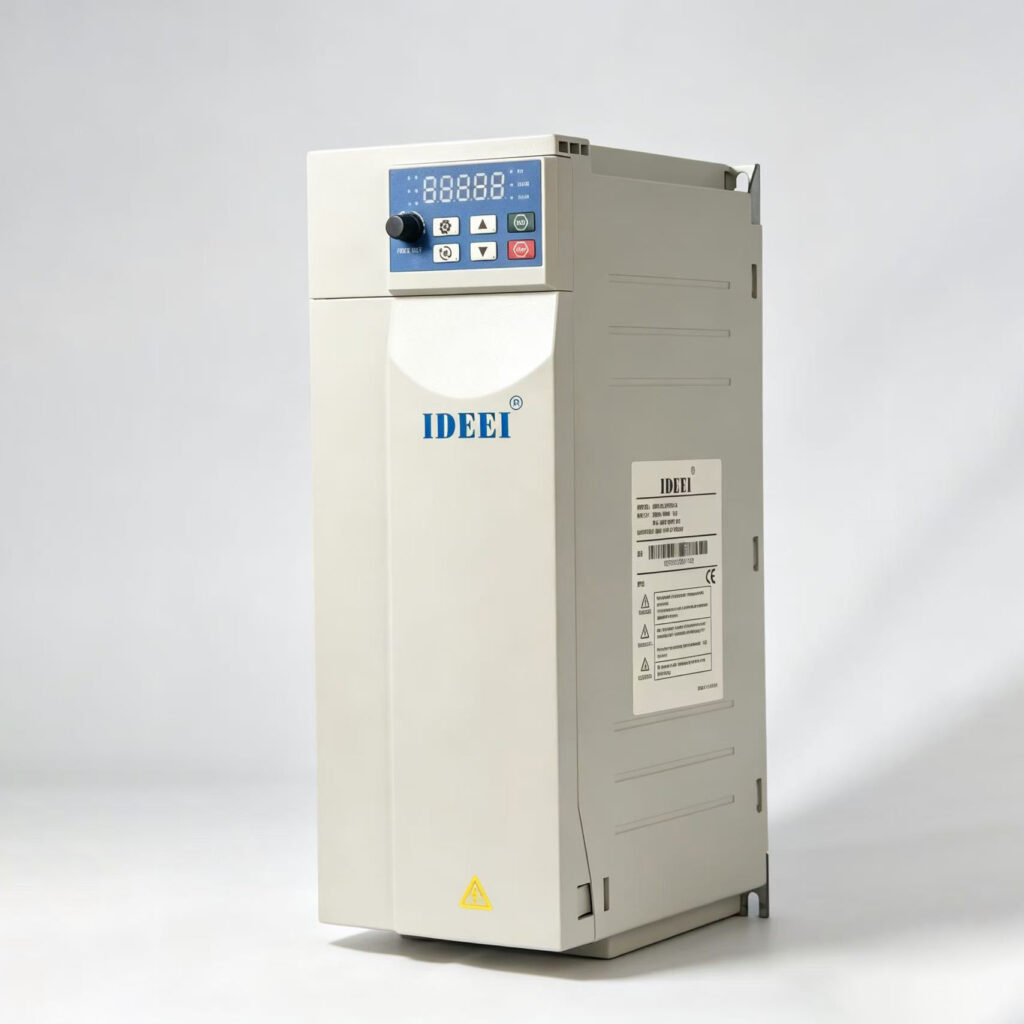
When does a long pump cable need an output filter?
A long inverter-to-motor cable needs an output filter when the drive or motor documentation requires one for the specific cable, motor and switching conditions. Check the motor’s permitted pulse voltage and the drive’s cable-length table. Measure the complete route from the drive output to the motor, including the drop inside the borehole.
Compare the three output options
- An output reactor may help control cable charging current. Confirm the drive maker’s supported cable length, current rating and voltage drop for the selected reactor.
- A dV/dt filter is used to limit the steepness of the voltage edges at the motor. Check the filter’s permitted cable length and motor-terminal peak voltage for the actual installation.
- A sine-wave filter reduces PWM voltage components at the motor. Confirm the approved drive, filter, switching frequency and output frequency before specifying it.
Build a quote request for the complete cable run
For a cabinet 25 m from the wellhead and a 95 m drop, record at least 120 m of output cable, then add the actual routing and service loops. Send the drive model and voltage class, motor nameplate and insulation information, full cable length, cable construction and size, and the expected output-frequency range. Ask for the approved filter or reactor, operating limits, and the resulting voltage drop.
Does a bigger cable remove the need for a filter?
A larger conductor may reduce resistive voltage drop. Review motor insulation stress, cable capacitance and drive limits separately. Have a qualified installer verify the final drive, cable and filter combination.